

High-stakes legal matters are rarely confined to the courtroom. They play out across the news, social media, and office hallways of employers, clients, investors, and competitors. This environment is particularly challenging for individuals involved in white-collar criminal matters, which can quickly become all-encompassing personal crises, requiring close coordination between legal counsel and communications advisors to address both legal and reputational risks. Below, we share some key takeaways that guide our strategic counsel when supporting individuals who are navigating these dynamics. 1) Develop a core narrative grounded in the facts In white-collar criminal matters, the process of crafting an effective narrative often begins with gaining a precise understanding of the facts, which not only form a critical part of the messaging but also influence the overarching communications strategy. As a result, the initial phase of strategic planning and narrative development involves identifying verifiable facts, acknowledges uncertainty where it exists, and allows individuals to explain their actions in the proper context. In collaboration with legal counsel, the narrative also should articulate the key elements of the individual’s defense – without unnecessarily showing the defense’s hand. The resulting core narrative should balance both reputational and legal considerations and provide a consistent framework to guide communications strategy and tactics as the legal process plays out. 2) Resist the urge to get ahead of the facts Reputational harm can begin long before individuals get their day in court and can persist long after the matter is resolved. While it is understandable that individuals would want to “set the record straight” upon the first hint of allegations, getting too far ahead of the facts can be costly. A mistimed or incomplete statement can carry serious legal consequences, influence investigative outcomes, and exacerbate reputational harm. During these periods, the development of a strategic plan and core narrative, as well as disciplined “behind the scenes” media engagement and cultivation of supportive third parties, are valuable investments that pay dividends in the future. 3) Remember that the facts alone aren’t everything Facts alone are rarely enough to satisfy key audiences. This is especially true in today’s media environment, in which salacious and biased reporting, social media amplification, and unfavorable third-party commentary can solidify assumptions quickly, creating reputational consequences that outpace the underlying facts. For individuals, this dynamic raises the stakes for how information is framed, contextualized, and communicated – not just whether it is technically accurate. Strategic framing of the narrative means presenting the information with the context necessary to be understood fairly – including timelines, motivations, and other key background points that may otherwise be overlooked. This is a delicate undertaking that requires technical knowledge of the legal process and command of the facts to effectively engage with reporters, whose biases can drive the framing of issues as much as the facts alone. 4) Silence as strategy Silence can be a deliberate and effective communications strategy. As noted above, there are moments when speaking carries significant risk, particularly when facts are still developing, legal exposure is evolving, or public commentary could complicate an investigation. In these circumstances, choosing not to engage publicly can prevent misstatements, limit speculation, and avoid creating soundbites that take on a life of their own. In many cases, strategic silence allows attention to dissipate rather than escalate. By avoiding unnecessary engagement that fuels coverage or extends the news cycle, individuals can limit amplification and reduce the risk of creating new angles for scrutiny. When paired with careful monitoring and readiness to respond if circumstances change, restraint can be an effective way to protect reputation while issues naturally subside. It’s personal For individuals navigating white-collar criminal matters, the stakes are highly personal, and emotion can play an outsized role in shaping decisions and outcomes. To protect reputation, it’s often not enough to only win in court, as an equally important arbiter of liability is the court of public opinion. We recognize these dynamics and carefully balance the instinct to respond with the discipline to act deliberately. By aligning legal and communications strategy with a compelling narrative, accounting for the emotional toll on individuals, and choosing when and how to engage, individuals can protect credibility during periods of uncertainty and preserve the foundation for what comes next.

Breaking Down Wall Street’s Response to Overwork Outcry
In May, the sudden death of Leo Lukenas – an investment banking associate at Bank of America who died suddenly of a blood clot while working 100-hour weeks and searching for a job with a more manageable workload – reignited scrutiny of Wall Street banks’ treatment of junior employees. In the days following Lukenas’ death, Bank of America issued the following statement to media outlets: “We are devastated by the loss of our teammate. We continue to focus on doing whatever we can to support the family and our team especially those who worked closely with him.” Notably, this statement – which was attributed to an unnamed spokeswoman – did not communicate the bank’s values or priorities with respect to its employees. Bank of America also declined to answer questions about Lukenas’ workload or working conditions that many believed may have contributed to Lukenas’ death, prompting one junior banker to tell Business Insider that employees felt the bank had not acknowledged the situation and had dismissed the possibility of Lukenas’ death being work-related. Bank of America employee dissatisfaction was on display again a month later when two trainees disclosed to Bloomberg News that senior bankers often told juniors to underreport their hours to avoid attention from HR. In response, a Bank of America spokesperson issued another statement to the media, stating that the bank’s “practices are clear and [it] expects all employees including managers to follow them.” It wasn’t until after a Wall Street Journal investigation revealed that Bank of America systemically ignores rules meant to prevent dangerous workloads that the bank communicated directly with junior employees and instructed them to report if they are pressured to misreport hours. JP Morgan’s response Although the bank was not the subject of direct scrutiny, JP Morgan took the opportunity to reflect on the situation, with CEO Jamie Dimon publicly stating in May that the bank was asking “what can we learn” from the tragedy. Then, in September, JP Morgan sent memos to its employees announcing a series of proactive steps it was taking to address these relevant industry-wide issues, including capping hours for junior bankers at 80 per week, appointing longtime executive Ryland McClendon to oversee junior staff, and pledging to hire more junior bankers to spread the workload. The memos made clear that the purpose of these actions was to support the “well-being and success” of its junior bankers. Much of JP Morgan’s employee-centric approach can be attributed to Jamie Dimon, who has been outspoken about the issue since Lukenas’ death and has consistently shown empathy toward employees. At a Georgetown University conference in September, Dimon made clear his position on giving junior bankers weekend work simply because of tradition or inefficiencies, stating, “It’s just not right,” and promised to hold senior bankers accountable for violating policies designed to protect junior staff. Assessing the responses When a crisis arises that directly impacts employee health and well-being, the stakes for effective communications are significantly heightened. In these situations, employees will look to their leaders to openly address the issue, alleviate their concerns, and show that they care. When leaders are absent from the conversation or a company fails to address its team directly, employees take note. Bank of America performed poorly in its response to the crisis. Its messaging was reactive, defensive, impersonal, and largely handled by a spokesperson through the media. Initially, the bank did not communicate directly with its junior employees and missed an opportunity to let them know it acknowledges the situation and cares about their well-being. Bank of America’s lacking response led junior employees to say they felt “dismissed” by their employer. Mounting criticism pressured Bank of America to respond to investigative findings rather than address the underlying situation and how it would do better. While Bank of America’s managers and HR personnel eventually addressed junior employees about cultural reforms and indicated that the mandates “came from the top,” it would have been more effective for the bank’s top leaders to address employees in the first instance. In contrast, JP Morgan handled its response to the tragedy very well. The bank’s public comments on the situation and proactive communication highlighted its understanding that investment banking culture is not only Bank of America’s problem, but also is an industry-wide issue. Additionally, Jamie Dimon’s personal ownership of – and role as a spokesperson on – the issue makes JP Morgan’s rhetoric and efforts come across as genuine and transparent. Similarly, the bank’s pledge to hold senior bankers accountable for cultural shifts, as well as its use of language directly connecting its initiatives to the “well-being and success” of its employees, lends credibility to JP Morgan’s messages. Instead of ignoring a tragedy that could have easily been dismissed as someone else’s problem, JP Morgan used this industry-wide crisis as an opportunity to put its values into action and build trust with employees. Takeaways Employee tragedies connected to working conditions can quickly spiral out of control and constitute a crisis for employers. Corporate leaders should communicate proactively and empathetically with employees in these situations. They also should be visible to their employee base (i.e., not relying on an unnamed spokesperson or shying away from addressing employees in person), and their communications should outline actionable steps the company is taking to address the situation.
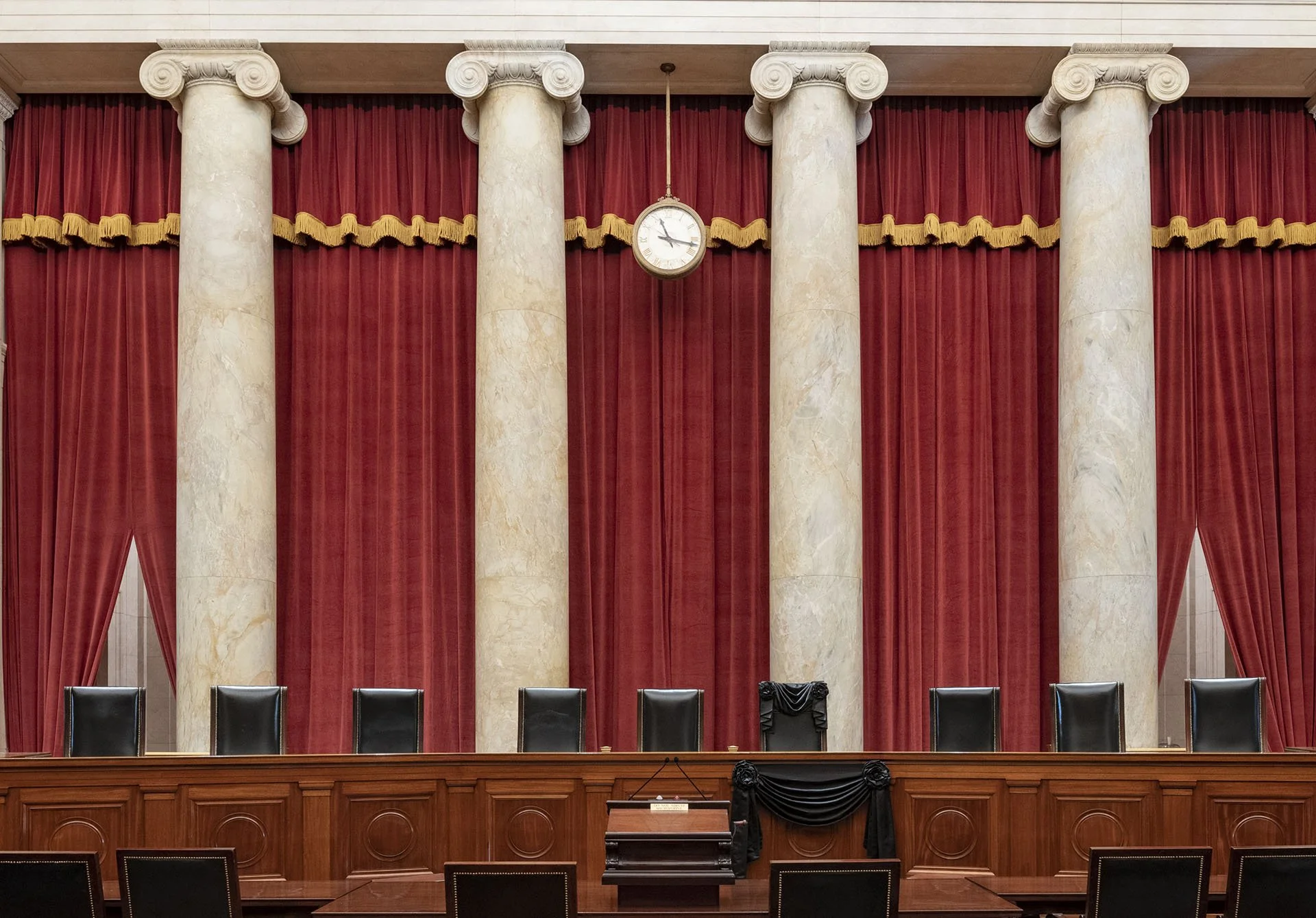
With the Supreme Court Considering Affirmative Action, University Administrators Can’t be Silent
Since the Supreme Court’s 2003 decision in Grutter v. Bollinger, federal law has permitted academic institutions to consider race as one of multiple factors in evaluating an individual’s candidacy so long as that consideration helps further the goal of cultivating a diverse student body. This term, the Court will hear oral arguments in a pair of cases challenging the constitutionality of affirmative action and whether an applicant’s race can be considered in the college admissions process. It is widely expected that the Court will overturn Grutter and end race-conscious admissions, which threatens to significantly impact diversity on college campuses and beyond. Like the Court’s recent blockbuster decision overturning Roe v. Wade, these affirmative action cases will be viewed through a political lens and have both legal and societal implications. As with the abortion decision, which forced employers to speak out and take action, this decision will create a communications challenge for college and university administrators. Charting a Path Forward While it is difficult to know specifically how the Court will frame its decision, now is the time for university administrators and their Boards of Trustees to consider the following questions: To maintain trust and confidence, academic institutions will need to address the concerns of their stakeholder groups with empathy and transparency. An effective communications strategy in this regard will: With all the uncertainty that the Supreme Court’s decision may bring, one thing is guaranteed: college administrators will be expected to speak. The considerations above are one aspect of a successful communications plan. Ultimately, universities that demonstrate a keen understanding of their stakeholders and communicate accordingly will be able to manage this situation most effectively.