
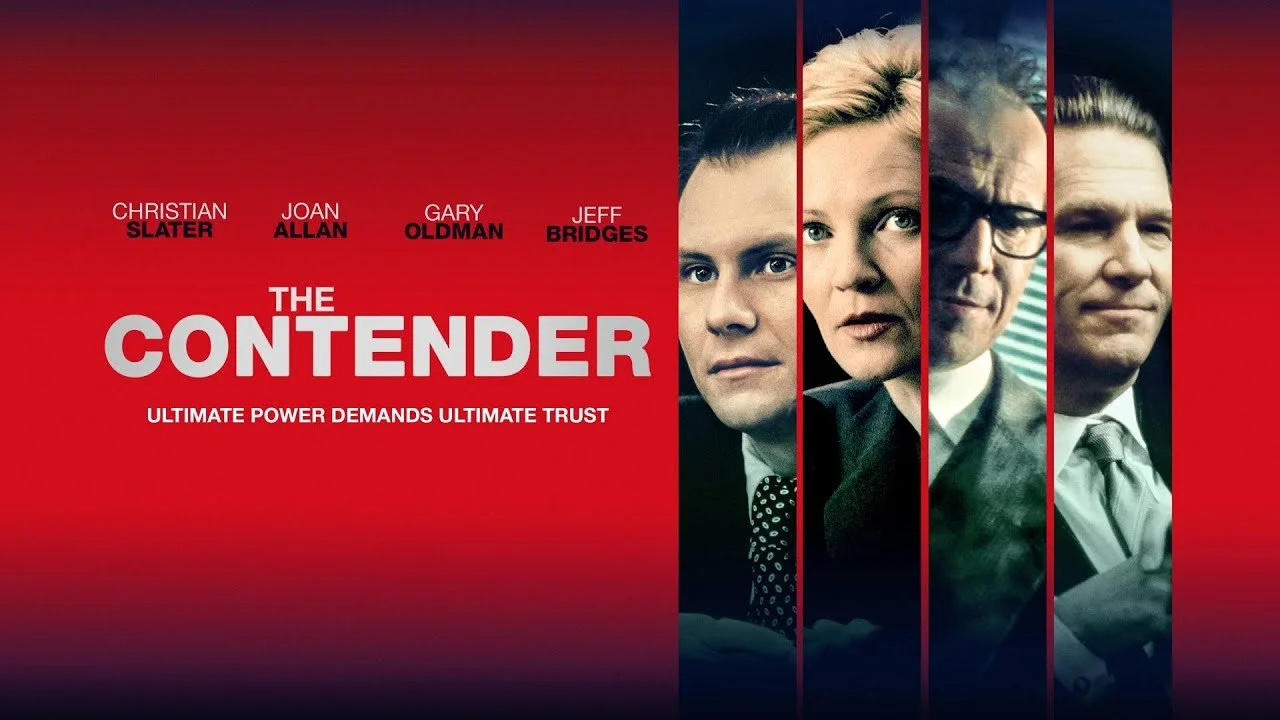
After hearing the stunning news of the LIV Golf and PGA Tour merger, the plot of the 2000 political thriller The Contender immediately came to mind. Like many others, my first thought was about the hypocrisy of the PGA Tour and the reputational crisis the tour and its Commissioner, Jay Monahan, are about to face. Starring Jeff Bridges, Joan Allen, and Gary Oldman, The Contender is one of the best political films of the last few decades. I also believe there are great teachings in the movie about strategic communications and the importance of thinking several steps ahead. One of the most valuable lessons I learned from having worked with some of the world’s best litigators on many notable white collar and other high-stakes litigation matters is to never say anything publicly that could damage credibility – whether it’s because there could be evidence that contradicts the statement, or because you may have to change your position in the future as facts come to light or circumstances evolve. That’s when previous statements can cause a crisis more acute than the situation itself. First, a brief synopsis of the film for those who haven’t seen it: For more than a year, Monahan has loudly criticized LIV Golf (as well as the PGA Tour players that defected) because of LIV’s ownership by the Saudi Arabian sovereign wealth fund controlled by Saudi Crown Prince Mohammed bin Salman. Monahan has leveraged public opposition to Saudi Arabia due to, among other things, its human rights record, the murder of Jamal Khashoggi, and its role in 9/11. Monahan distanced himself from the Saudis and tied himself to a position even more forcefully than Shelly Runyon tied himself to the soon-to-be-disgraced Governor, and he did so consistently for a year and a half. He enlisted prominent PGA Tour stars to take up the anti-LIV/Saudi cause on the PGA Tour’s behalf, and many did so while turning down eight and nine figure offers from the LIV Golf Tour. Now, the sudden, hypocritical, and inexplicable reversal of course has created an acute crisis of credibility and reputation for Monahan and others in a leadership position at the PGA Tour. ESPN’s Marc Schlabach summarized the situation well when he wrote: “After months of defending the PGA Tour and criticizing the source of LIV Golf’s funding at every turn, Monahan made an abrupt eight-inch hell turn, leaving golf fans and his own tour members to question everything they’d heard from him for more than a year.” Rampant speculation about how this transpired so quickly and without any communication with the PGA Tour players will continue, and some of those details and behind-the-scenes forces are beginning to come to light. That is a separate communications issue. The real crisis, at least for the moment, is the hypocrisy and the shattered credibility of Monahan and the PGA Tour, which is now effectively owned by Saudi Arabia. Many — even including some players – have stated that directly. I wonder if Monahan has ever seen The Contender and the critical mistake Shelly Runyon made by communicating a definitive position without knowing the facts or anticipating the possibility that circumstances might change. If he had, or if he had a more long-term communications strategy that anticipated potential outcomes of the PGA Tour’s conflict with LIV Golf, he might have taken a less definitive public stance for the past 18 months and left himself with a path toward a peaceful resolution and partnership with LIV that didn’t destroy his credibility and reputation. I found it particularly interesting that one of the comments Monahan made in his first press conference following announcement of the merger was, “Anytime I said anything, I said it with the information that I had at that moment.” Perhaps that is true, but it’s also true that what he said did not seem to contemplate the facts he didn’t have at the moment or how circumstances could change in the future, including the legal exposure the PGA Tour had with respect to antitrust issues and otherwise, which may have been the driving factor in the sudden merger announcement, and Saudi Arabia’s deep pocketed commitment to pursuing ownership of the game of golf. As Shelly Runyon learned the hard way, and as I’ve learned well from working alongside many brilliant lawyers, you can’t communicate beyond the facts that are known at the time, and you shouldn’t communicate a definitive position unless you are certain that the circumstances supporting the position won’t change.

With the Supreme Court Considering Affirmative Action, University Administrators Can’t be Silent
Since the Supreme Court’s 2003 decision in Grutter v. Bollinger, federal law has permitted academic institutions to consider race as one of multiple factors in evaluating an individual’s candidacy so long as that consideration helps further the goal of cultivating a diverse student body. This term, the Court will hear oral arguments in a pair of cases challenging the constitutionality of affirmative action and whether an applicant’s race can be considered in the college admissions process. It is widely expected that the Court will overturn Grutter and end race-conscious admissions, which threatens to significantly impact diversity on college campuses and beyond. Like the Court’s recent blockbuster decision overturning Roe v. Wade, these affirmative action cases will be viewed through a political lens and have both legal and societal implications. As with the abortion decision, which forced employers to speak out and take action, this decision will create a communications challenge for college and university administrators. Charting a Path Forward While it is difficult to know specifically how the Court will frame its decision, now is the time for university administrators and their Boards of Trustees to consider the following questions: To maintain trust and confidence, academic institutions will need to address the concerns of their stakeholder groups with empathy and transparency. An effective communications strategy in this regard will: With all the uncertainty that the Supreme Court’s decision may bring, one thing is guaranteed: college administrators will be expected to speak. The considerations above are one aspect of a successful communications plan. Ultimately, universities that demonstrate a keen understanding of their stakeholders and communicate accordingly will be able to manage this situation most effectively.